

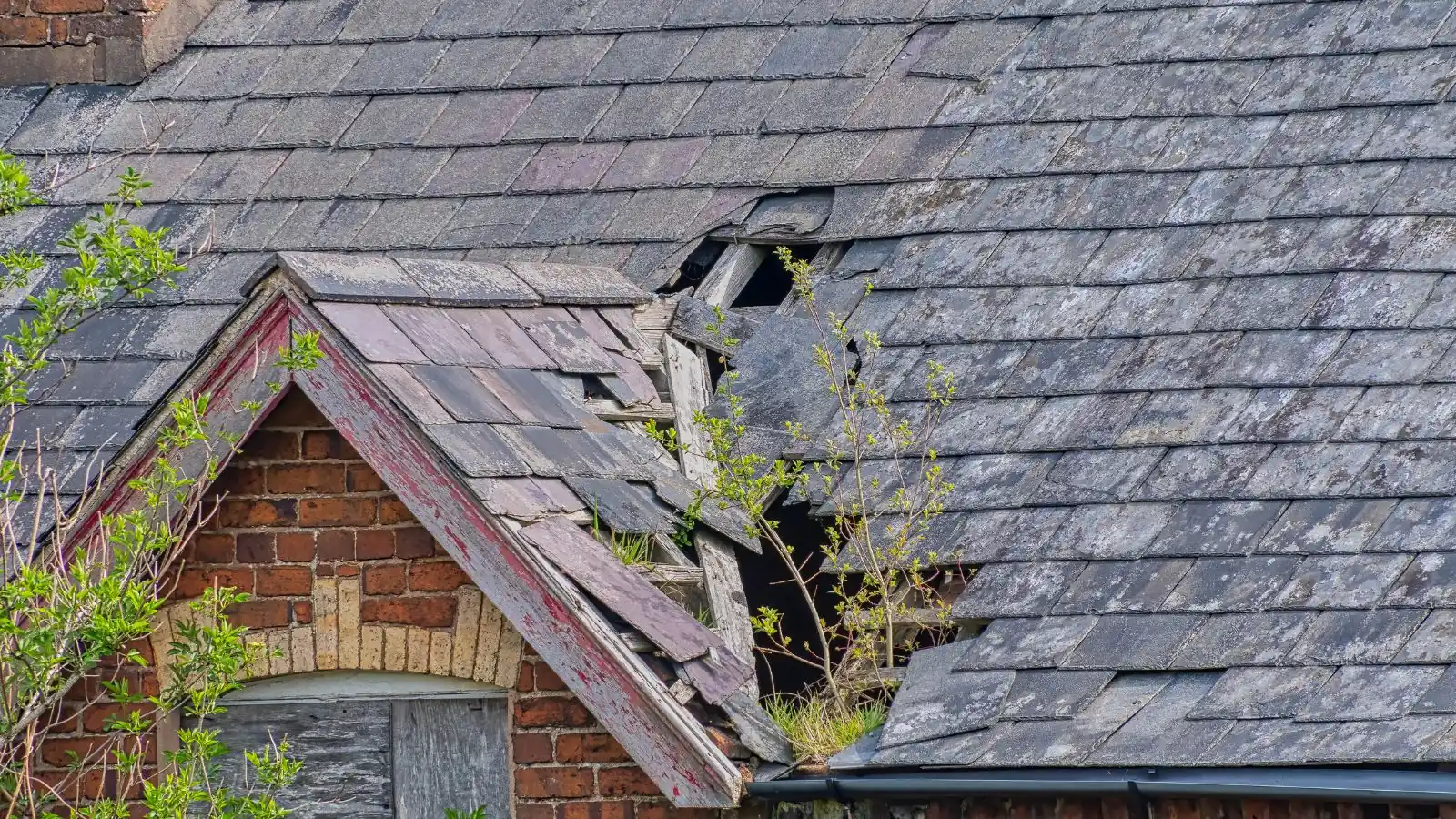
How Storms Put Water Into A House
Roof and flashing
Wind lifts shingles or rain finds gaps around vents and chimneys.
Windows and doors
Wind-driven rain slips past worn seals.
Gutters and downspouts
Overflow runs down walls or pools at the foundation.
Grading and drains
Runoff pools near the house and soaks through walls or crawl spaces.
The Willamette Valley sees long wet seasons and occasional severe events. In February 2021, the National Weather Service issued an ice storm warning for the southern Portland metro area, and the event caused widespread outages and damage across the northern valley.
What To Do Before A Crew Arrives
- Place buckets and move furniture away from drips.
- Cover roof openings with a tarp if you can reach them safely, and never climb a wet or iced roof.
- Stuff towels at leaking windows and doors.
- Avoid damaged power lines and wet electrical gear.
- Photograph damage before moving things.
- Call your insurer to report the storm.
How Storm Water Cleanup Works
Crews extract water, then check attics, ceilings and wall cavities with a pin-type moisture meter and a thermal imaging camera. Wet insulation and damaged drywall are removed where readings call for it. Air movers and LGR dehumidifiers dry the structure to the goals in the ANSI/IICRC S500 guide.
Storm runoff that enters from outside is treated as contaminated, so flooring and pad that soaked in it may need removal. Flood damage restoration explains that in more detail.
| Step | Purpose | Who does it |
|---|---|---|
| Tarp over roof opening | Stops more rain entering | Roofer or trained crew. |
| Board over broken window | Blocks wind and rain | Crew or glazier. |
| Extract and dry interior | Limits spread to framing | Water damage crew. |
| Permanent roof or window repair | Fixes the cause | Roofer or window contractor. |
Storm water in the house?
Call the emergency line. Say where the water is entering.
Insurance And Storm Damage
Wind damage is often covered, while flood water usually is not. Oregon's Division of Financial Regulation explains how wind, flood and cold-weather claims are generally treated, and says home maintenance is the owner's responsibility. Your insurer decides coverage.
What Changes The Cost
- How much water entered and which rooms it reached.
- Whether insulation, drywall or flooring must come out.
- Temporary protection such as tarping.
- Drying time.
- Repairs to the roof, window or grading.
Scope and price are explained before work starts.
After The Storm: Preventing A Repeat
Clean gutters, extend downspouts and check flashing. The City of Sherwood notes that its curbside leaf program helps reduce flooding caused by leaves clogging storm drains. A tidy drain on your street and clear gutters on your house help the water leave.
Storm Damage Near Wilsonville
Service covers ZIP 97070 and nearby towns such as Sherwood, Aurora and Canby. Wilsonville's stormwater system drains toward Boeckman Creek and Coffee Lake Creek, which is a good reason to ask the city about drainage on your street. Public stormwater projects are summarized on the Canyon Creek neighborhood page.
Storm Water Damage Questions
Is emergency storm water cleanup available in Wilsonville?
Yes. The line is open 24/7 for Wilsonville, ZIP 97070, and nearby towns. Same-day response is offered when available. Call and tell the dispatcher where the water entered.
Does insurance cover storm water damage?
Wind damage and rain through a storm-made opening are often covered. Flood and groundwater usually are not. Check your policy and ask your insurer.
Should I tarp my roof myself?
Only if you can do it safely. A wet roof is dangerous. A roofer or trained crew can place a temporary cover.
What if water came in at a window?
Dry the frame and wall cavity, since water collects under sills. Moisture readings show whether the wall is dry.
Can wet insulation stay?
Usually not. Wet insulation holds water against drywall and framing. It is removed in the wet area.