

Find The Source Before You Clean
Plumbing
A supply line, water heater or washer leak. The water is clean at the start.
Sump pump failure
A pump that jams, loses power or is overwhelmed lets groundwater rise.
Foundation seepage
Water enters through cracks, joints or window wells during wet periods.
Sewer or drain backup
Floor drains overflow with contaminated water.
Not every Wilsonville home has a basement. Some use slabs or crawl spaces, and no public figure shows which is most common. If yours does, treat water below grade as a hazard.
What To Do Before A Crew Arrives
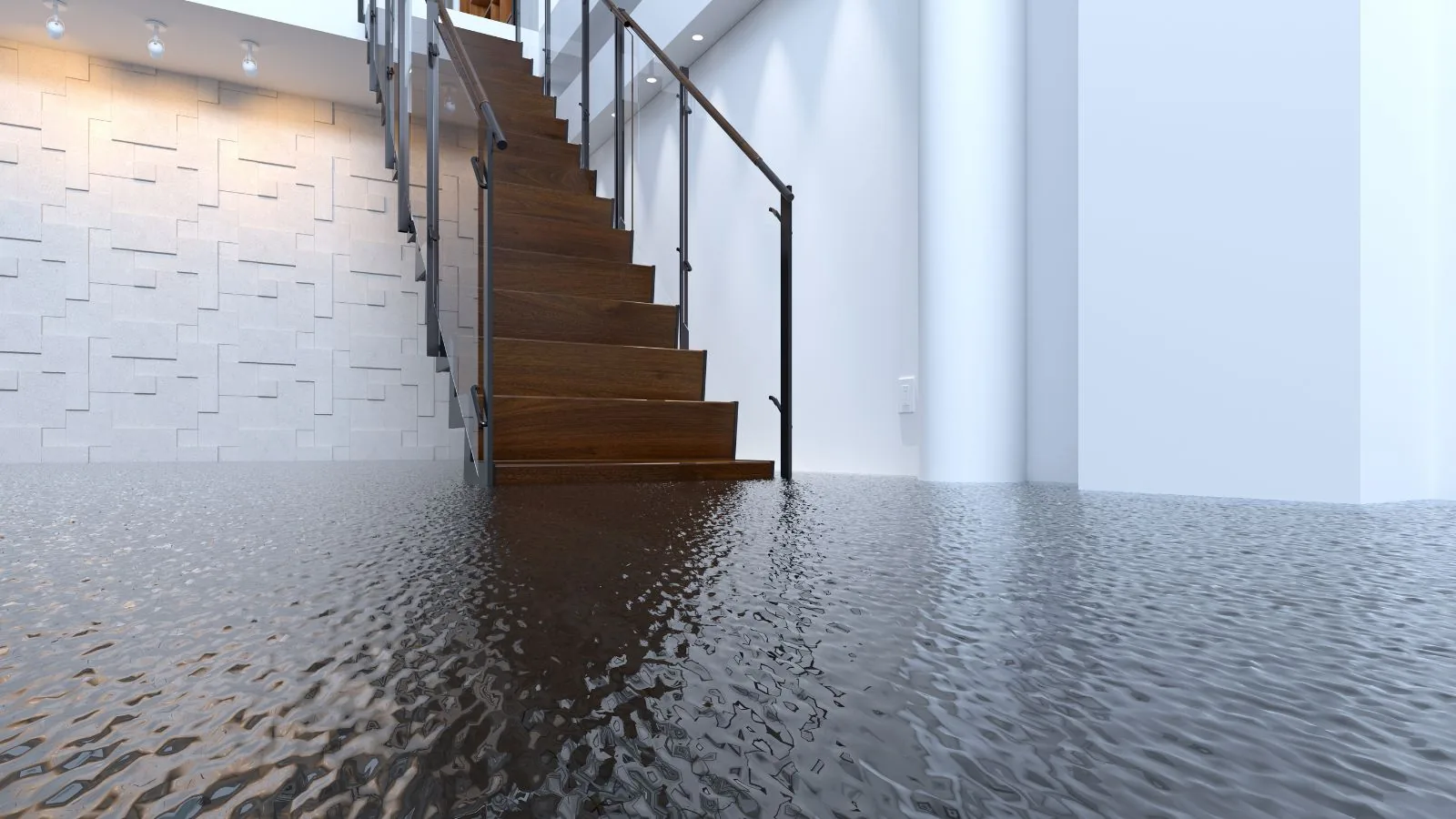
- Do not go down if water is above the first step or near the panel.
- Shut off the main water if a pipe is the source.
- If the power is off, do not turn it on in a wet basement.
- Avoid contact with water that smells of sewage.
- Move items upstairs if you can do it without wading into deep water.
- Take photos from the stairs.
How Basement Cleanup Works
Deep water is pumped down in stages so walls and floors are not stressed by sudden pressure change. Then crews extract the remaining water and remove carpet, pad and wet drywall where needed. Finished walls are opened at the bottom so cavities can dry.
Air movers and LGR dehumidifiers dry the space. A pin-type moisture meter and a thermal imaging camera guide placement. The goals come from the ANSI/IICRC S500 guide, and readings are logged daily.
| Source | Water type | Typical handling |
|---|---|---|
| Supply line or heater | Clean | Extract, dry, replace wet drywall. |
| Sump failure or groundwater | Contaminated | Extract, remove porous materials, clean. |
| Storm runoff | Contaminated | Extract, remove porous materials, clean. |
| Sewer backup | Heavily contaminated | Containment, removal, sanitizing. |
If you plan to refinish the basement, ask the crew for moisture readings of the slab and walls first. Finishing over damp concrete traps moisture and invites repeat problems.
Basement taking on water?
Call the emergency line. Say the depth and whether power is on.
Preventing A Repeat
Check the sump pump, discharge line and backup power. Keep gutters clear and downspouts pointed away from the foundation. If groundwater is the cause, a drainage specialist can advise on a fix. These are construction decisions, and they are best made once the basement is dry.
What Drives Cost
- Water depth, volume and duration.
- Finished area that is wet.
- Carpet, pad, drywall and insulation removal.
- Drying days and equipment.
- Repairs to plumbing, sump or drainage.
Scope and price are explained before work starts.
Insurance Notes
Plumbing leaks are often covered. The Oregon Division of Financial Regulation states that most policies exclude flood and below-ground water. Sump overflow and drain backup may need an endorsement. Ask your insurer. Coverage is decided by your insurer.
Basement Water In Wilsonville
Service covers ZIP 97070, Canby and Sherwood. For drain overflow, see sewage backup cleanup, and for drying details see structural drying.
Basement Water Questions
Is emergency basement water cleanup available in Wilsonville?
Yes. The line is open 24/7 for Wilsonville, ZIP 97070, and nearby towns. Same-day response is offered when available. Call and describe the depth, the source and whether power is on.
Is it safe to pump out my basement myself?
Not always. Pumping too fast against saturated soil can stress walls, and electrical hazards are common. A crew pumps in stages.
Does homeowners insurance cover a sump pump failure?
Often not without an endorsement. Oregon's regulator says most policies exclude below-ground water. Ask your insurer about sump overflow coverage.
Can a finished basement be saved?
Often yes if the water was clean and drying starts early. Drywall and carpet that sat in contaminated water are usually replaced.
How long does a basement take to dry?
It depends on the materials and the water. Concrete and framing dry slowly. Readings confirm the finish.