

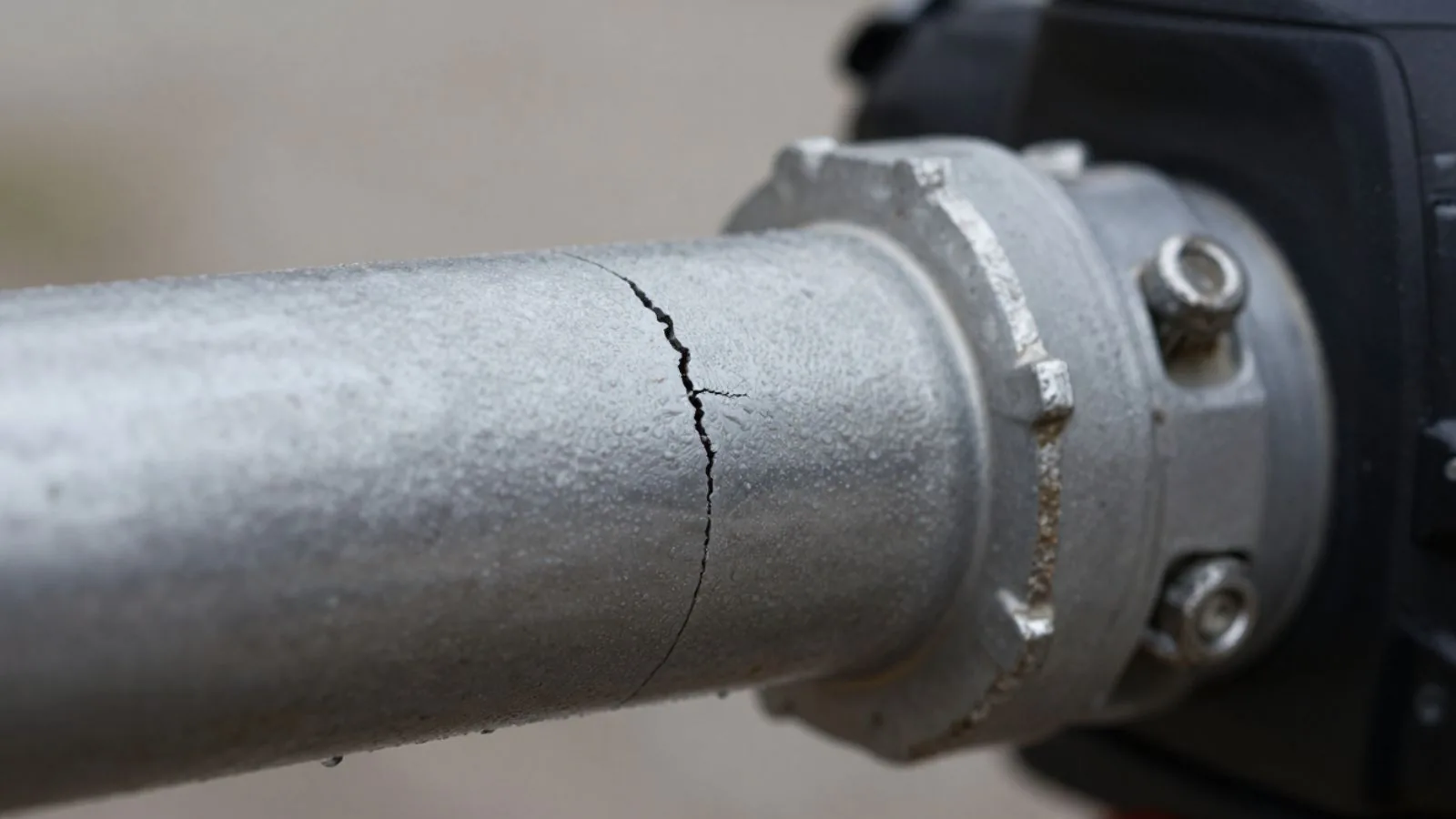
Why Frozen Pipes Cause Damage After The Thaw
Water expands as it turns to ice, and that pressure can split a pipe or pop a fitting. The break often stays plugged by ice. When temperatures climb, the plug melts and water flows from the split, sometimes while no one is home.
In February 2021 the National Weather Service warned of significant freezing rain across the southern Portland area, and more than 330,000 Oregonians lost power in the storm's aftermath, according to state reports. Houses that lost heat for days were the ones at greatest risk of frozen lines.
What To Do If A Pipe Is Frozen But Not Yet Broken
If a faucet runs slowly or not at all in cold weather, a pipe may be frozen. Act before it splits, and keep the steps gentle.
- Open the faucet so water can flow as the ice melts.
- Warm the area with a hair dryer or space heater placed safely away from anything that burns.
- Never use an open flame or a propane torch on a pipe.
- If you see a split, bulge or frost on a line, close the main valve and call for help.
- If you cannot find the frozen section, call a plumber.
When To Call For Emergency Help
Call as soon as water appears where it should not be. A damp spot on a ceiling, drips from a light fixture, a wet wall or a puddle under a sink all point to a line that has already failed. Shut off the main water first, then call the emergency line.
How Water Damage From A Freeze Is Handled
A frozen pipe loss follows the same path as other supply-line breaks. Standing water is extracted. Moisture is mapped with a pin-type meter and a thermal imaging camera, because water from a split inside a cold wall or ceiling can spread unseen. Wet insulation, drywall and flooring are opened or removed as the readings require.
Cold spaces dry slowly, which changes the plan. LGR dehumidifiers and air movers are placed to dry the cavity, and the space is often warmed so drying equipment can work. A plumber repairs the pipe, and the structure is dried to the goal in the ANSI/IICRC S500 guide.
| Where it froze | Typical damage | Common clue |
|---|---|---|
| Exterior wall under a sink | Cabinet floor, wall base and flooring | Cold cabinet, slow drip. |
| Attic or ceiling line | Ceiling drywall, insulation and light fixtures | Ceiling stain or sag after warming. |
| Crawl space or garage line | Subfloor, insulation, stored items | Wet floor above, frost on pipes. |
| Outdoor faucet or hose bib line | Wall behind the spigot, interior base | Drip inside the wall after thaw. |
Water coming from a thawed pipe?
Close the main valve and call the emergency line. Report where the water is.
Preventing A Repeat
After a break, the cause is worth fixing. Gaps in insulation, a vent that blows on a pipe or an exterior wall with no heat can all freeze a line again. Ask the plumber to check the route and cover exposed pipes. Wilsonville's Building Division notes that some plumbing work needs a permit, so ask before changes.
Cost Factors For Frozen Pipe Cleanup
- How long the pipe ran after it thawed.
- Which floors and ceilings the water reached.
- Whether insulation, drywall or flooring must come out.
- How cold the structure is and how long drying takes.
- The plumber's repair, which is separate from drying.
Scope and price are explained before work starts.
Insurance After A Freeze
Many policies cover sudden pipe breaks, and some require that heat was kept on or the water shut off when a home sits empty. The Oregon Division of Financial Regulation lists what storm and cold-weather claims often involve. Photos and receipts help. Your insurer decides what is covered.
Freeze Damage Near Wilsonville
Freeze breaks are less common here than in colder states, so the risk is easy to overlook. Homes in Wilsonville ZIP 97070, Canby and Aurora can still see them after an unusual cold event, especially in garages, crawl spaces and outside walls.
Frozen Pipe Questions
Is emergency frozen pipe service available in Wilsonville?
Yes. The emergency line is open 24/7 for Wilsonville, ZIP 97070, and nearby towns. Same-day response is offered when available. Call once water is leaking and the main valve is closed.
Can I thaw a frozen pipe myself?
A small, accessible pipe can be warmed gently with a hair dryer. Never use a flame. If the pipe is split, inside a wall or out of reach, close the main valve and call a plumber and the emergency line.
How do I know a pipe has split?
Look for water stains, drips, a bulge in the pipe or a sudden drop in pressure after the thaw. A wet ceiling or damp wall often shows the break before the pipe does.
Will frozen pipe water damage show up right away?
Not always. The ice can hold the water back. Damage appears when the line thaws, which can be hours later, so check ceilings and walls after temperatures rise.
Is drying slower in cold weather?
Yes. Cold air holds less moisture and slows evaporation, so cold structures often need heat and dehumidifiers placed carefully. Moisture readings show when the structure reaches its dry standard.