

In this guide
Start With The Roof And Gutters
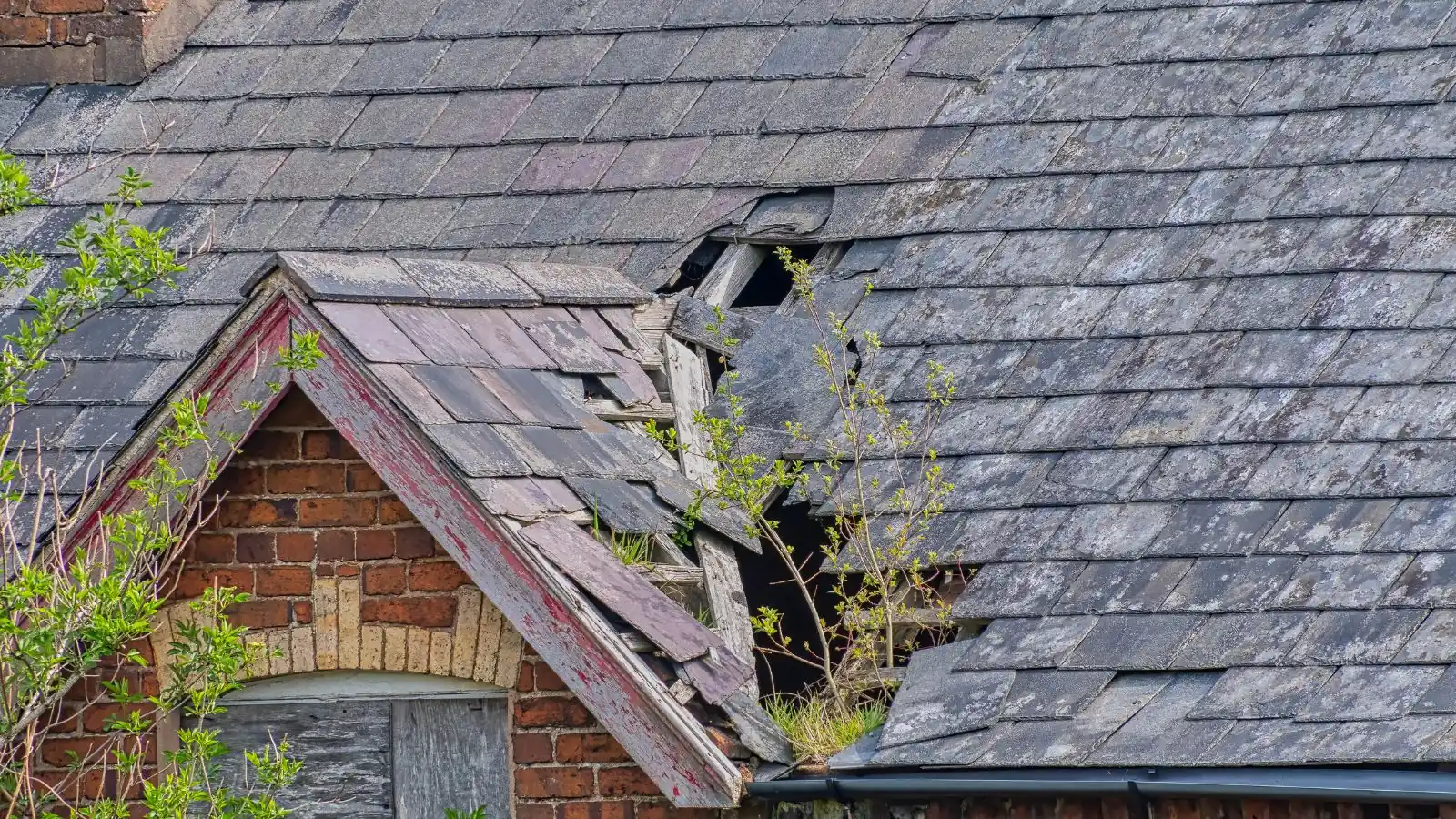
Water damage from storms usually begins at the edge of the roof. Clogged gutters overflow and run down walls, and loose flashing lets rain slip behind siding. A sound roof edge and clear gutters move water away from the house.
- Clear leaves and debris from gutters and downspouts.
- Check that downspouts discharge several feet from the foundation.
- Look for lifted shingles, cracked flashing and loose vent boots.
- Trim branches that overhang the roof.
- Inspect attic ceilings for stains after the first heavy rain.
Do not climb on a wet or icy roof. Use binoculars from the ground, or hire a roofer for an inspection.
Look At The Ground Around The House
Soil should slope away from the foundation. Low spots collect water and send it toward walls, window wells and crawl space vents. Add soil, extend downspouts or regrade where water pools.
Clear storm drains on your street of leaves and debris if it is safe to do so. The City of Sherwood runs a curbside leaf program to help reduce flooding caused by leaves clogging storm drains, which shows how much a clear drain matters.
Test Sump Pumps And Know Your Water Entry Points
If you have a sump pump, test it before the wet season. Pour water into the pit and confirm the pump starts and the discharge flows away from the house. Consider a battery backup, since outages come with storms.
Check window wells, basement stairwell drains and crawl space vents. Standing water at these points shows where a heavy rain will try to enter.
| Item | What to check | When |
|---|---|---|
| Gutters and downspouts | Clear debris, secure joints | Before the wet season and after big storms. |
| Roof and flashing | Lifted shingles, cracked boots | Once a year. |
| Sump pump | Starts, discharges, backup power | Before the wet season. |
| Grading | Slope away from walls | Once a year. |
| Water shutoff | Located, labeled and works | Once a year. |
Water coming in during a storm?
Call the emergency line. Describe where the water is entering.
Prepare For Power Outages And Cold
Storms bring outages, and cold snaps can freeze pipes in a house that loses heat. In February 2021, the National Weather Service warned of significant freezing rain across the southern Portland metro area, and more than 330,000 Oregonians lost power in the aftermath, according to state reports.
- Know how to shut off water and drain a line.
- Keep a flashlight, battery radio and chargers where you can find them.
- Insulate exposed pipes in garages, crawl spaces and exterior walls.
- Keep cabinet doors open under sinks on exterior walls during hard freezes.
- If you leave home, shut off the main water.
Make An Emergency Water Plan
- Locate the main water shutoff and the electrical panel.
- Know where the sump discharge and floor drains are.
- Store a list of key numbers, including your insurer.
- Keep photos of the home and valuables in a cloud folder.
- Keep plastic sheeting and a wet-use vacuum or mop ready.
- Save the restoration emergency line in your phone.
Inside The House: Attic, Basement And Garage
Storm water that gets past the roof shows up first in the attic. Look at the underside of the roof deck, around chimneys and at vent pipes. Dark streaks, damp insulation or daylight at the edges are signs of a weak spot.
- Attic: look for stains, damp insulation and blocked vents.
- Basement or crawl space: look for seepage lines and standing water.
- Garage: check door seals and floor drains.
- Laundry room: confirm the washer hoses are in good shape.
Move stored boxes off basement floors and onto shelves before the wet season. Cardboard wicks water quickly, and a few inches of height can save a lot of belongings.
After The Storm: Entering Safely
When the weather passes, check outside first. Look for downed power lines, damaged gas meters and standing water near the foundation. Stay out of flooded basements until the power to that area is off, since water and electricity together are dangerous.
Photograph any damage before you clean up. Then remove standing water, open windows if the air outside is drier than inside and call for help if water is still entering or materials are soaked.
What Wilsonville And Nearby Cities Publish About Storm Drains
The City of Wilsonville's Engineering pages describe stormwater projects around Boeckman Creek, where development in the early 1980s redirected runoff from the Coffee Creek wetlands toward Boeckman Creek. The city has a project to return those flows.
Sherwood manages most of its stormwater and follows Clean Water Services policies. Canby's stormwater is provided by the City of Canby. If water pools at your curb, report it to the city that serves your street.
Sources: City of Wilsonville Engineering project page, City of Sherwood utility billing page and City of Canby public works pages.
What To Do If Water Gets In Anyway
Shut off power in wet areas only from a dry spot, move valuables up and photograph the damage. Call your insurer and a crew. Storm water that enters from outside is treated as contaminated, which flood damage restoration explains.
Homeowners in Canby and Sherwood follow the same steps. If the ceiling is wet, see ceiling water damage repair.
Storm Season Questions
When should I clean my gutters in Wilsonville?
Before the wet season starts and after big storms. Leaves clog downspouts quickly, and overflow runs down walls.
Do storm drains on my street matter?
Yes. Clear drains keep runoff moving. The City of Sherwood notes its leaf program helps reduce flooding from clogged drains.
Should I buy flood insurance?
Standard homeowners policies usually exclude flood. Oregon's regulator notes a 30-day waiting period on the federal program, so decide before the wet season.
How do I protect pipes in a cold snap?
Insulate exposed pipes, keep heat on, open cabinets on exterior walls and know where the main shutoff is.
What do I do if my sump pump fails?
Shut off power to wet areas, move belongings up and call for help. Consider a battery backup afterward.