

In this guide
- The Short Answer: It Depends On The Cause.
- Causes That Are Often Covered.
- Causes That Are Often Excluded.
- Flood Insurance Is A Separate Policy.
- Your Duty To Protect The Home After A Loss.
- What Records Help A Claim.
- Questions To Ask Your Insurer.
- Reading Your Own Policy.
- When To Call A Restoration Crew Versus Your Insurer.
The Short Answer: It Depends On The Cause
Most homeowners policies cover water damage that is sudden and accidental, such as a supply line that bursts or a water heater that fails. They usually do not cover flood, groundwater seepage or damage caused by long-term neglect. The same wet floor can be covered in one case and excluded in another.
Policies differ by company and by endorsement, so no article can say what yours covers. What follows are the patterns Oregon's Division of Financial Regulation describes, and the questions to ask your insurer.
Causes That Are Often Covered
- A burst or frozen pipe that releases water suddenly.
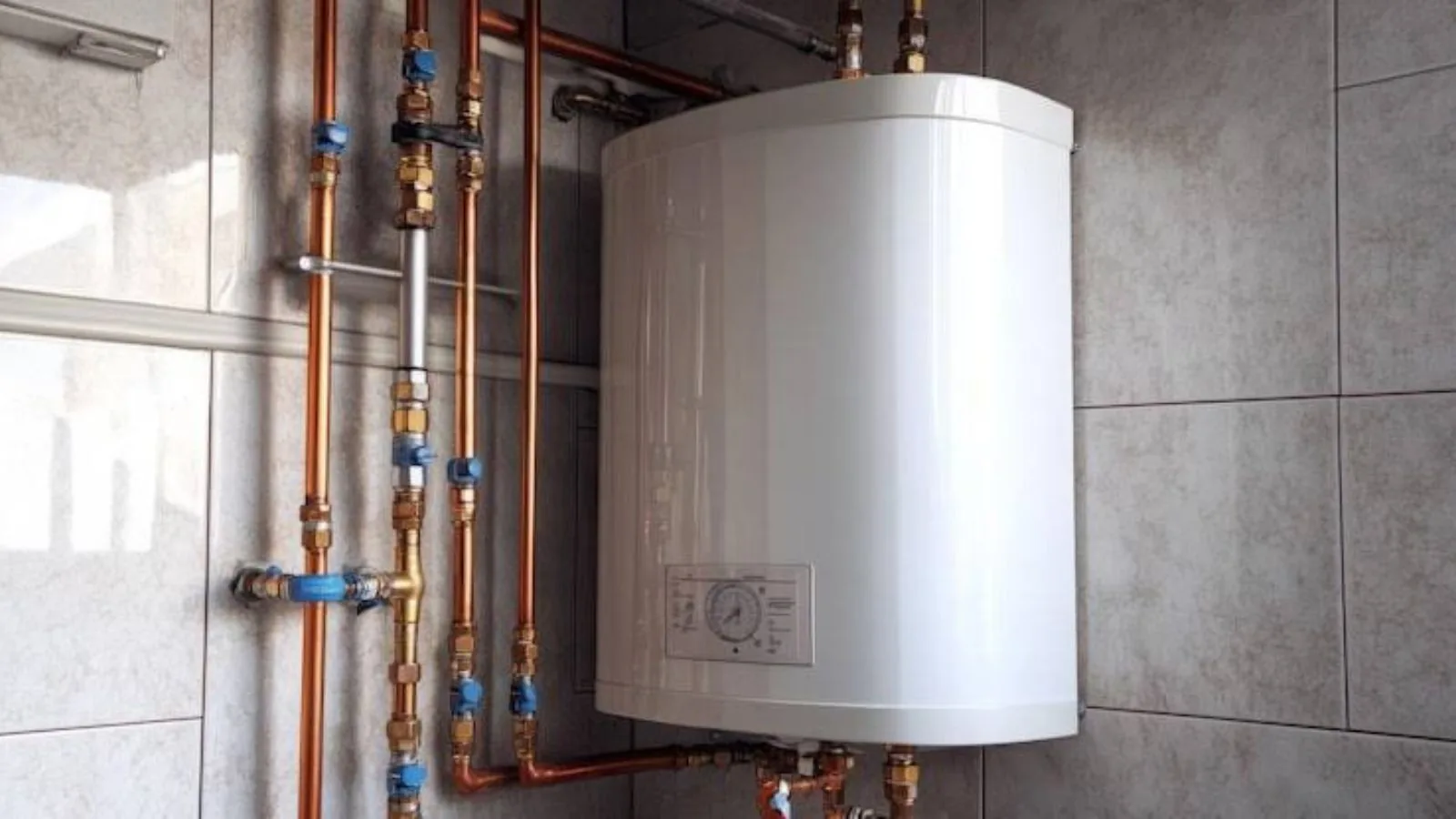
- A water heater or appliance that fails without warning.
- Rain that enters through a hole made by wind or a falling tree.
- Accidental overflow from a plumbing fixture.
Even for covered causes, the policy may limit what it pays for. The water damage restoration itself, such as water extraction and drying, is typically part of the covered loss, while repair of the failed pipe or appliance often is not.
Causes That Are Often Excluded
Oregon's regulator says that most homeowners policies exclude flood, including surface water and overflow of a body of water. They also exclude water that exerts pressure on or leaks through a foundation from below ground. Water backing up through drains and sewers is generally not covered either, though some insurers sell a small amount of coverage or an endorsement.
| Cause | Usually covered? | What to check |
|---|---|---|
| Sudden pipe burst | Often yes | Cause of loss and mitigation steps. |
| Appliance or heater failure | Often yes | Age, maintenance and exclusions for wear. |
| Slow leak over weeks or months | Often no | Whether the policy limits long-term seepage. |
| Flood or rising surface water | Usually no | Separate flood policy. |
| Sewer or drain backup | Often no | Water backup endorsement. |
| Groundwater seepage | Usually no | Below-ground water exclusion. |
Flood Insurance Is A Separate Policy
Because flood is excluded, homeowners in flood-prone areas may buy flood cover through the National Flood Insurance Program or a private insurer. Oregon's regulator notes a 30-day waiting period on the federal program, so it has to be in place before the water comes.
You can check an address on the FEMA Flood Map Service Center. A mapped flood zone, or the lack of one, does not remove the risk, since the regulator also reports that more than 20 percent of flood claims come from homes outside high-risk zones.
Your Duty To Protect The Home After A Loss
Most policies expect you to take reasonable steps to prevent further damage. That can include shutting off the water, removing standing water and calling for drying. A guide prepared with the Oregon Construction Contractors Board and the Division of Financial Regulation notes that an insurer may refuse ensuing damage if you failed to mitigate.
Keep receipts for emergency steps. Ask your insurer in the first call what it wants you to do and which records it needs.
Water loss in Wilsonville?
Call the emergency line. Photos, readings and a drying log are kept for your claim.
What Records Help A Claim
- Photos and video of the source and the damage before cleanup.
- A list of damaged items with approximate age and value.
- Receipts for emergency work and repairs.
- Moisture readings and a dated drying log.
- The failed part, if it can be kept safely.
- Notes of every call with your insurer.
A water damage crew can supply readings and a log, which show what was wet and how it was handled. Your insurer decides coverage, and a log does not change that decision. It does make the facts easier to confirm.
Questions To Ask Your Insurer
- Is this cause of loss covered under my policy?
- What is my deductible for this claim?
- Do I have a water backup or sewer endorsement?
- What mitigation steps do you expect me to take?
- Is there a limit on mold or fungi, and how does it apply?
- What documents do you need, and by when?
Reading Your Own Policy
Find the declarations page, which lists your coverages and deductibles. Then read the sections on water damage, exclusions and endorsements. Look for words such as sudden, accidental, seepage, flood, surface water and backup.
For the regulator's own plain-language explanations, see the Oregon Division of Financial Regulation storm and flood guidance. It is written for consumers and is a better starting point than any summary on a commercial site.
Wilsonville, Sherwood And Canby: What Local Records Say
The City of Wilsonville is in Clackamas County, and Sherwood is in Washington County. Both are covered by Oregon's insurance rules, and the Division of Financial Regulation says it offers free help for people who have questions about the claims process.
Canby's sewer and stormwater come from the City of Canby, while Canby Utility provides its water. If a backup starts in the street main, tell both your insurer and the utility so the cause is recorded.
Sources: Oregon Division of Financial Regulation storm and flood guidance, and City of Canby public works pages.
When To Call A Restoration Crew Versus Your Insurer
Do both. Call the insurer to report the loss and the crew to stop the damage. Waiting for approval before drying often lets a small loss grow. The crew can start mitigation while the claim is opened.
Homeowners in Sherwood and Canby follow the same steps. For loss from a burst line, burst pipe water damage explains what the work involves.
Insurance And Water Damage Questions
Does homeowners insurance cover a burst pipe?
Often yes, when the break is sudden and accidental. Coverage for the pipe repair itself may differ from coverage for the water damage. Your insurer decides coverage.
Does homeowners insurance cover flood damage in Oregon?
Usually not. Oregon's regulator says most homeowners policies exclude flood, and flood insurance is a separate policy with a 30-day waiting period.
Is sewer backup covered?
Generally not, but some insurers sell an endorsement for water backup. Check your declarations page or ask your agent.
Who can help if I have a claim dispute in Oregon?
The Oregon Division of Financial Regulation offers free help to consumers with questions about the claims process.
Does a restoration company decide what my policy covers?
No. Your insurer decides coverage. A restoration crew documents the damage and starts mitigation.